
UniVRse AI-Driven Metaverse Featured in Selamat Pagi Malaysia (RTM)
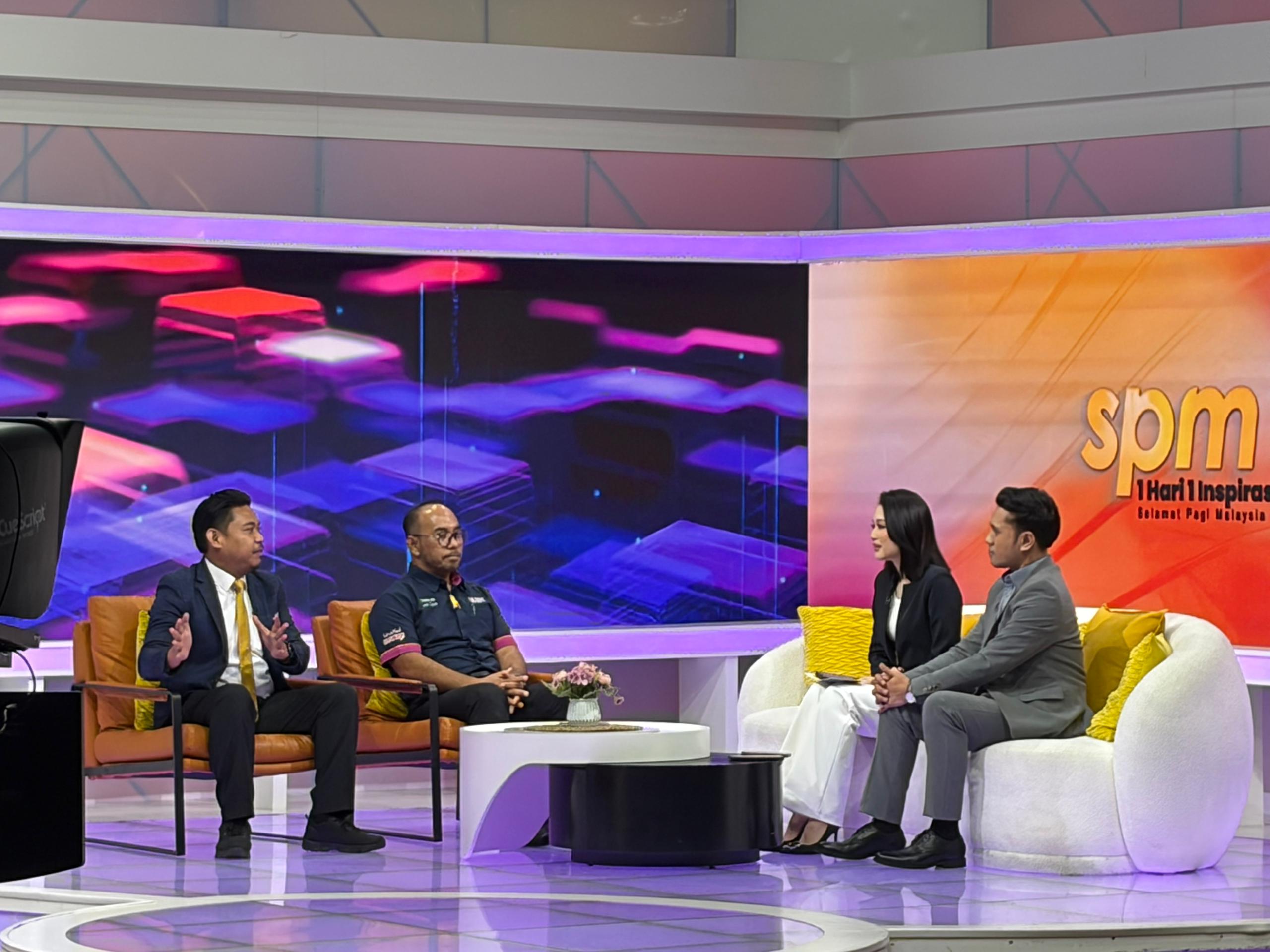
UniVRse's founder was invited to discuss the metaverse's role in innovation, accessibility, and future economic opportunities on Selamat Pagi Malaysia (SPM), Malaysia's national morning television programme on RTM — bringing immersive technology into mainstream public conversation.
The Metaverse as a Medium for Innovation
The metaverse is not just a technology trend, but a new medium enabling faster testing and broader access to innovation. Rather than presentations through slides or videos, immersive experiences allow users to directly engage with and experience innovations firsthand — compressing the gap between concept and understanding.
Unlocking New Possibilities
The strength of the metaverse lies in combining visuals, data, simulation, and human interaction. Applications span education, training, marketing, exhibitions, and product validation — moving concepts from theoretical stages into market-ready demonstrations that stakeholders can experience directly.
Universities as Creators, Not Consumers
Universities should function as creators of valuable digital assets — including learning experiences, virtual spaces, and commercialisable intellectual property — not merely technology consumers. This shift positions academic institutions as contributors to the metaverse economy rather than passive participants.
Skills for the Metaverse Economy
Technical foundations — UX, 3D design, AR/VR, coding, and data — must pair with soft skills like communication, storytelling, and teamwork. The critical competency involves connecting technology with real user problems. Neither technical skill nor creative skill alone is sufficient.
Governance and Accessibility
The real issue is not expensive technology, but designing more inclusive access. Cloud platforms and smartphone accessibility democratise participation. At the same time, systems must prioritise trust, transparency, and accountability regarding digital asset ownership, data usage, and user protection.